Skip to content
Haley Maddox

Books

Dog‑eared

The books behind my garden, my type 1, and my dogs. Tap a spine to open one.

Diabetes shelf · 4 →
Garden shelf · 3 →
Dogs shelf · 2 →
How to read the tagsShelfLived it · Wrote itKidsFree to readHidden gemPractical · Big ideas · Quick read · All-inWhat they mean →

Diabetes

Books for living with type 1: tools, numbers, and day-to-day habits.

Bright Spots & Landmines

Adam Brown · 2017

  • Diabetes
  • Lived it
  • Free to read
  • Hidden gem
  • Practical

Adam Brown’s guide to living with diabetes, built on two lists: bright spots, the things that already work and are worth repeating, and landmines, the mistakes that reliably cause trouble.

42 Factors That Affect Blood Glucose

Adam Brown, diaTribe · 2018

  • Diabetes
  • Lived it
  • Free to read
  • Practical

A short diaTribe guide listing 42 things that can affect blood glucose, from food and medication to stress, sleep, heat, illness, and hormones.

Think Like a Pancreas

Gary Scheiner · 2004

  • Diabetes
  • Lived it
  • Hidden gem
  • Practical

A practical guide for people who take insulin: basal and bolus, carb ratios, corrections, and adjusting for exercise, illness, stress, and hormones.

Dr. Bernstein’s Diabetes Solution

Richard K. Bernstein · 1997

  • Diabetes
  • Lived it
  • All-in
  • Hidden gem

An approach built on the goal of normal blood sugars: a very low-carb diet with small, predictable insulin doses, based on his laws of small numbers.

Garden

The books behind the native garden and the monarchs.

Bringing Nature Home

Doug Tallamy · 2007

  • Garden
  • Big ideas

The case for native plants: most plant-eating insects can only eat the natives they evolved with, so a yard of imported ornamentals looks green but feeds very little.

Nature’s Best Hope

Doug Tallamy · 2020

  • Garden
  • Practical

Homegrown National Park: if homeowners converted half their lawns to natives, those yards would add up to more habitat than the largest national parks.

How to Raise Monarch Butterflies

Carol Pasternak · 2012

  • Garden
  • Kids
  • Lived it
  • Quick read

A step-by-step photo guide for kids on raising monarchs at home, from finding eggs on milkweed to letting the butterflies go.

Dogs

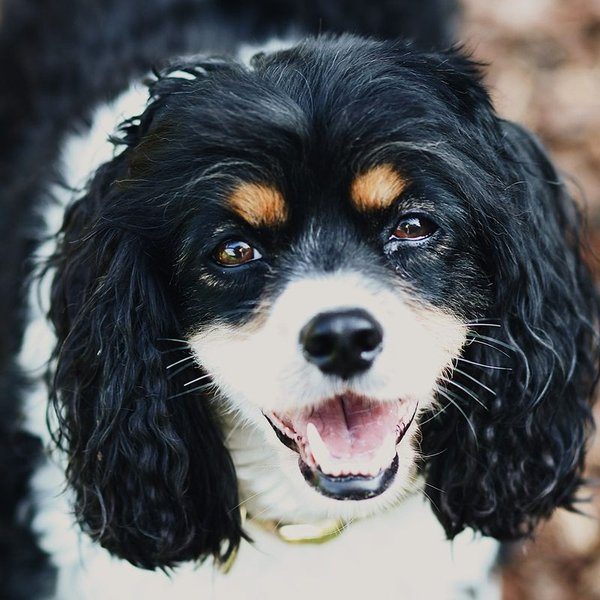
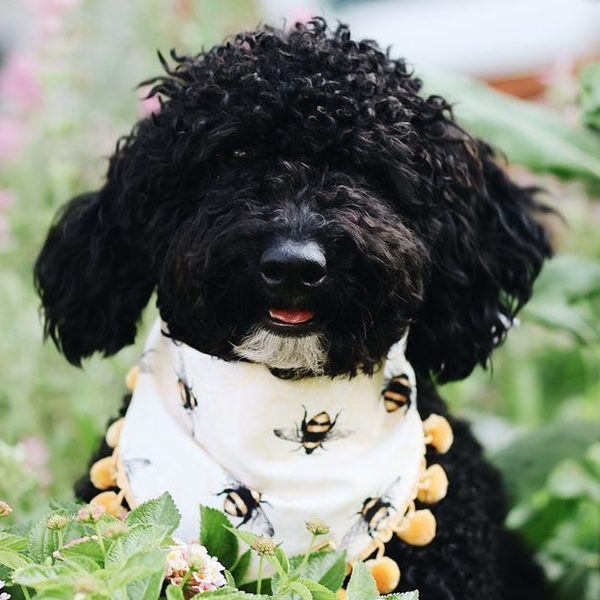
For Wes, Colt, and anyone who wonders what their dog is thinking.

How Dogs Love Us

Gregory Berns · 2013

  • Dogs
  • Hidden gem
  • Big ideas

A neuroscientist trains dogs to lie still, awake, in an MRI scanner to learn what they think and feel, starting with his own dog, Callie.

If Woof Woof Could Talk

Haley Maddox, illustrated by Jan Rae

  • Dogs
  • Kids
  • Wrote it

A picture book about Colt.

As an Amazon Associate I earn from qualifying purchases.
Diabetes shelf

Bright Spots & Landmines

Adam Brown · 2017

  • Diabetes
  • Lived it
  • Free to read
  • Hidden gem
  • Practical

Adam Brown’s guide to living with diabetes, built on two lists: bright spots, the things that already work and are worth repeating, and landmines, the mistakes that reliably cause trouble. It covers food, mindset, exercise, and sleep, drawn from his own experience with type 1 and from research. It reads as practical and personal rather than clinical. diaTribe offers a free version online.

As an Amazon Associate I earn from qualifying purchases.

Diabetes shelf

42 Factors That Affect Blood Glucose

Adam Brown, diaTribe · 2018

  • Diabetes
  • Lived it
  • Free to read
  • Practical

A short diaTribe guide by Adam Brown listing 42 things that can affect blood glucose, grouped into food, medication, activity, biological, environmental, and behavior and decisions. It began in 2014 as a list of 22 factors and grew from there. The point is that blood sugar responds to far more than food and insulin, including stress, sleep, heat, illness, and hormones, so a surprising number isn’t always a mistake. It’s free on diaTribe, with a poster and a booklet that explains each factor.

Diabetes shelf

Think Like a Pancreas

Gary Scheiner · 2004

  • Diabetes
  • Lived it
  • Hidden gem
  • Practical

Gary Scheiner’s practical guide for people who take insulin. The idea in the title is that someone using insulin now has to make the decisions a working pancreas used to make on its own. He explains basal and bolus insulin, carb ratios, correction doses, and how to adjust for exercise, illness, stress, and hormones, with formulas, worksheets, and examples. It explains the reason behind each rule, not just the rule, and works as a reference to come back to.

As an Amazon Associate I earn from qualifying purchases.

Diabetes shelf

Dr. Bernstein’s Diabetes Solution

Richard K. Bernstein · 1997

  • Diabetes
  • Lived it
  • All-in
  • Hidden gem

Dr. Richard Bernstein’s approach to diabetes, built on the goal of normal blood sugars. His method pairs a very low-carbohydrate diet with small, predictable insulin doses, based on what he calls the laws of small numbers: smaller inputs lead to smaller, more predictable errors. The book covers diet, insulin, testing, and exercise in detail. It’s far stricter than standard advice, and many people find the diet too restrictive, so it’s often read for its ideas as much as its plan.

As an Amazon Associate I earn from qualifying purchases.

Garden shelf

Bringing Nature Home

Doug Tallamy · 2007

  • Garden
  • Big ideas

Doug Tallamy’s case for native plants. Most plant-eating insects can only eat the native plants they evolved with, so a yard full of imported ornamentals looks green but feeds very little. That matters because insects are the base of the food web: most songbirds raise their young on caterpillars, and when the insects disappear, so do the birds. Parks alone are too small to hold on to wildlife, so suburban yards have to help. The second half is a guide to the native plants that support the most life.

Quotes

“Knowledge generates interest, and interest generates compassion.”
“…species have the potential to sink or save the ecosystem, depending on the circumstances.”

Try it in my garden

As an Amazon Associate I earn from qualifying purchases.

Garden shelf

Nature’s Best Hope

Doug Tallamy · 2020

  • Garden
  • Practical

Tallamy’s follow-up turns the argument into a plan. His idea is Homegrown National Park: if homeowners converted half their lawns to native plants, together those yards would add up to more habitat than the country’s largest national parks. He makes the case with birds, showing how many caterpillars one nest of chickadees needs, and with keystone plants, the few native groups like oaks that support most caterpillar species. The steps are small: shrink the lawn, plant keystones, remove invasives, leave the leaves, and use warmer outdoor lights.

Quotes

“…we were the product and beneficiary of a vibrant natural world, rather than its master.”
“Conservation that is confined to parks will not preserve species in the long run…”
“Our environmental boat has sprung a leak.”

Try it in my garden

As an Amazon Associate I earn from qualifying purchases.

Garden shelf

How to Raise Monarch Butterflies

Carol Pasternak · 2012

  • Garden
  • Kids
  • Lived it
  • Quick read

Carol Pasternak’s step-by-step guide for kids on raising monarchs at home, from finding eggs on milkweed to releasing the butterfly. It covers monarch anatomy, the life cycle, caring for and feeding caterpillars, mating and migration, predators, and how to bring butterflies into a garden. A photo sequence follows a caterpillar as it turns into a chrysalis. It also explains the threats monarchs face and how readers can help protect their habitat. It’s written for ages 6 to 12, and the 2020 printing adds new photos and more tips for finding eggs and caterpillars.

Try it in my garden

As an Amazon Associate I earn from qualifying purchases.

Dogs shelf

How Dogs Love Us

Gregory Berns · 2013

  • Dogs
  • Hidden gem
  • Big ideas

Neuroscientist Gregory Berns set out to learn what dogs think and feel by training them to lie still, awake and unrestrained, in an MRI scanner. The book tells the story of that project, starting with his own dog, Callie, and the training it took. The scans showed the brain’s reward area responding to signals of familiar people, which Berns takes as evidence that dogs have real social and emotional lives. It mixes science with a lot of affection for dogs.

Quotes

“More than intuiting what we think, dogs may also feel what we feel.”
“The most important characteristics of a great leader are clarity and consistency.”
“But can you really trust someone who doesn’t have a pet?”

Takeaways

As an Amazon Associate I earn from qualifying purchases.

Dogs shelf

If Woof Woof Could Talk

Haley Maddox, illustrated by Jan Rae

  • Dogs
  • Kids
  • Wrote it

A picture book about Colt.